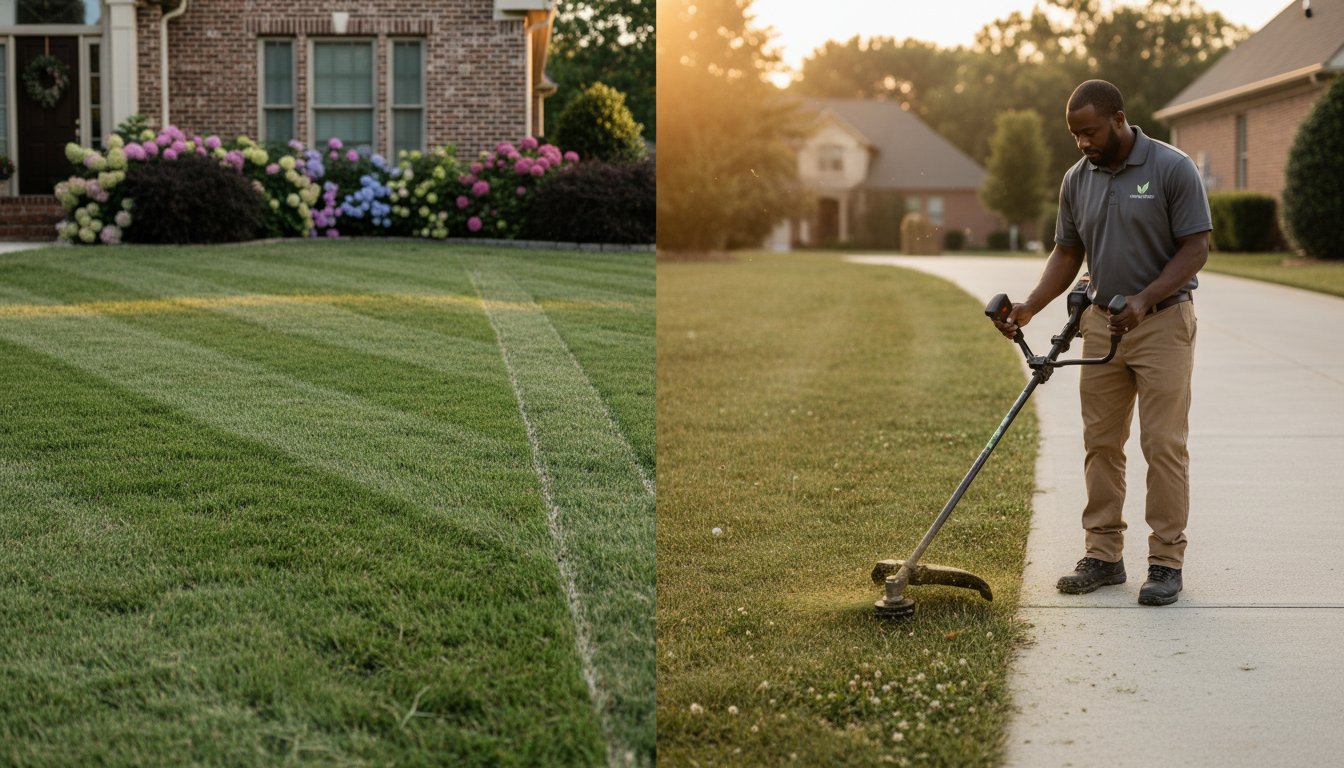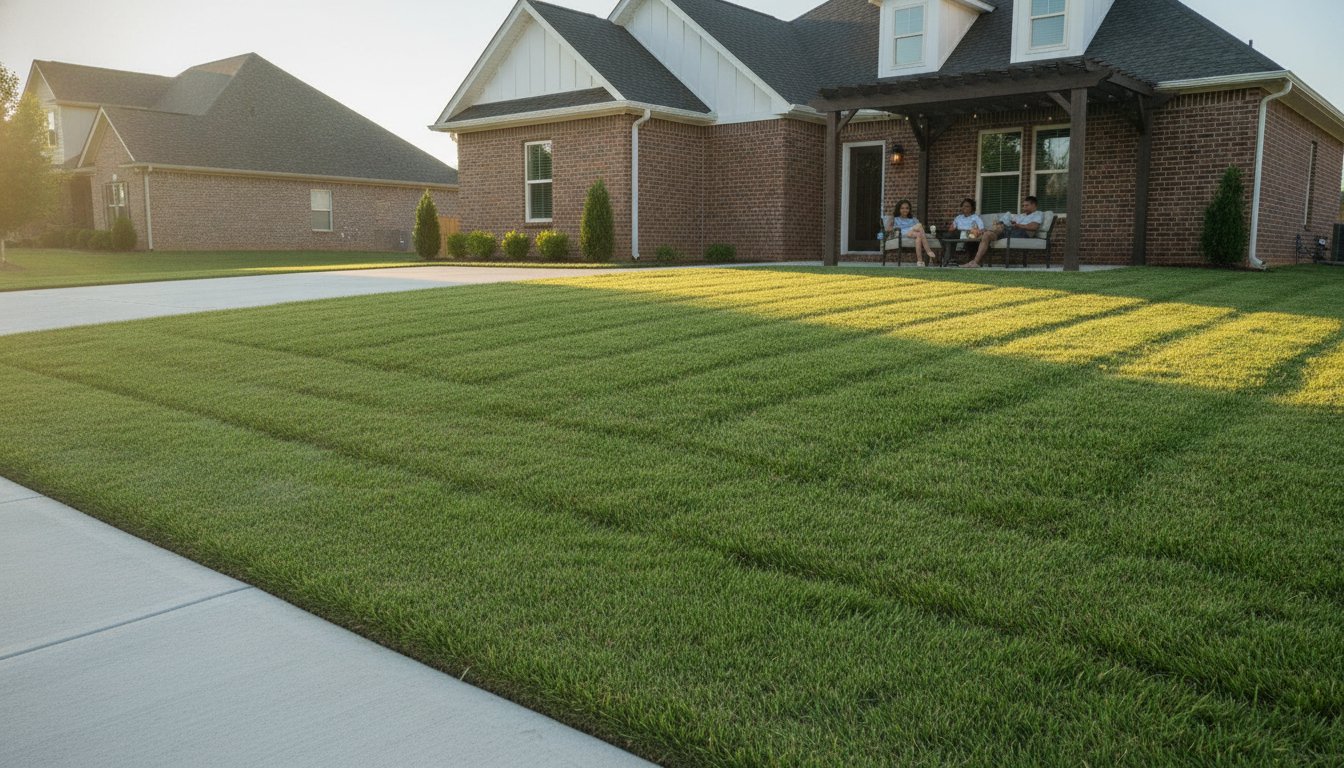
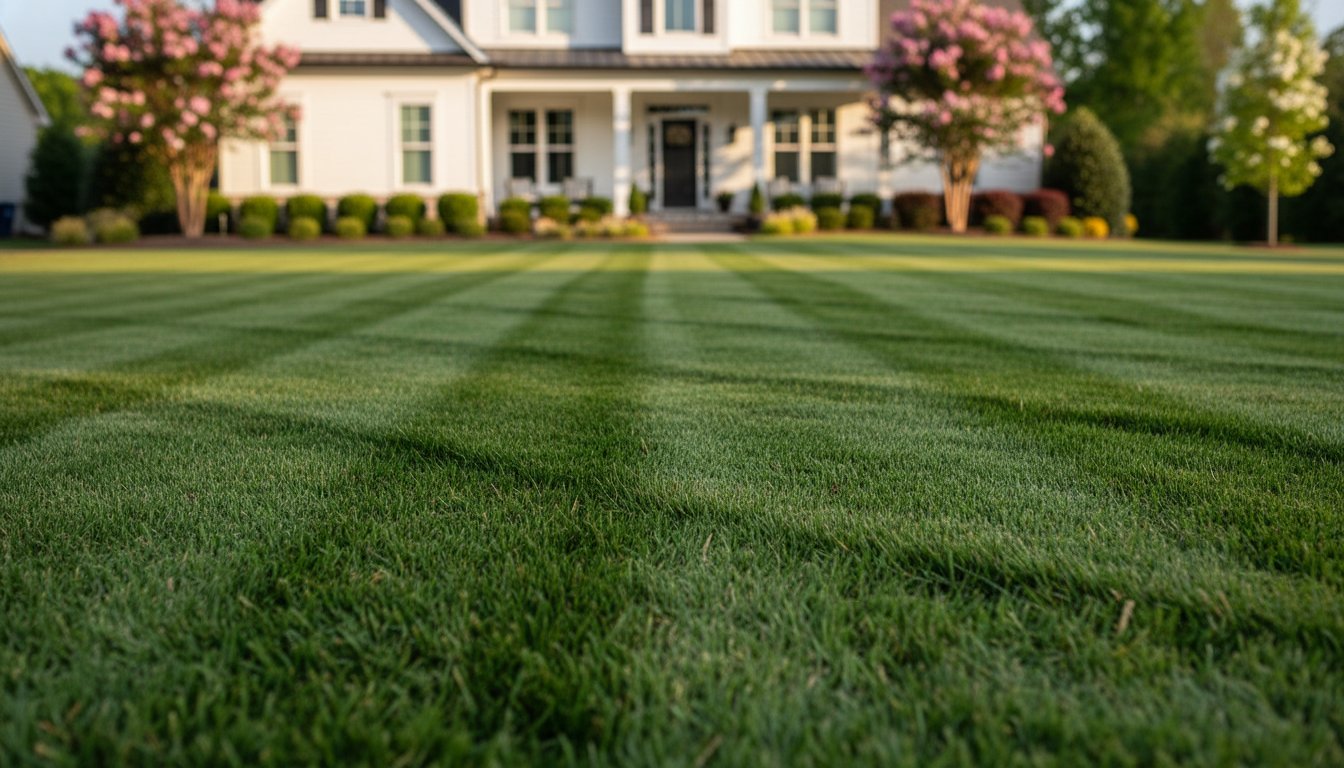
Your lawn mower is more than just a tool. It is a precision instrument for managing a biological clock. Most Georgia homeowners feel like they are losing a race against their Bermudagrass the moment the summer heat hits. You spend a Saturday morning sweating over the yard only to see shaggy blades by Tuesday. It is a cycle that drains your energy and steals your time. Mastering how often to mow lawn in georgia is the only way to break this loop and achieve a crisp, golf-course finish.
You deserve a professional result without losing your weekends to manual labor. We focus on the science of the One-Third Rule to ensure your grass stays healthy and weed-resistant. This 2026 growth guide provides the exact roadmap you need for a meticulous landscape. We will cover seasonal growth triggers, local noise ordinances, and the best ways to reclaim your personal freedom while maintaining elite curb appeal.
Key Takeaways
- Apply the One-Third Rule to protect your lawn’s health and ensure your grass has the leaf surface needed for deep, green growth.
- Discover how often to mow lawn in Georgia during the high-growth spring surge versus the strategic maintenance required for summer heat.
- Identify the unique cutting requirements for Bermuda and Zoysia grasses to achieve a dense, weed-resistant, and professional finish.
- Learn how to adjust your schedule based on Georgia’s unpredictable rainfall and nutrient applications to prevent lawn scalping.
- Reclaim your personal freedom by leveraging consistent professional maintenance that delivers a meticulous, golf-course aesthetic every week.
The Golden Rule of Georgia Mowing: Understanding the One-Third Rule
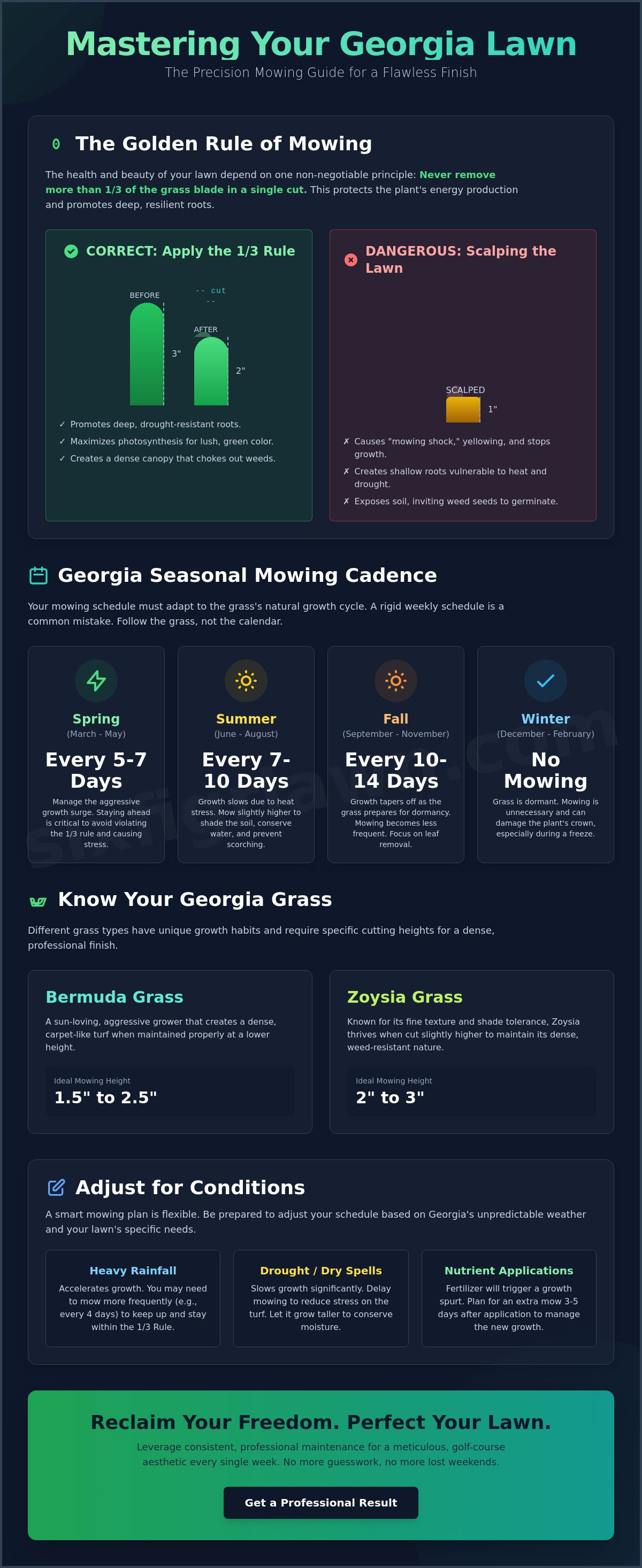
A meticulously maintained lawn is a hallmark of a disciplined home. While the history of lawns shows a long evolution of aesthetic standards, the biology of grass remains constant. The most critical factor in your yard’s health is the One-Third Rule. This rule is simple but non-negotiable: never remove more than 33% of the grass blade in a single session. If your Bermuda grass is three inches tall, you shouldn't cut it shorter than two inches. Following this standard ensures your grass retains enough leaf surface area for photosynthesis. Think of each blade as a solar panel. When you cut too deep, you strip the plant of its energy-producing capacity.
This biological stress leads to a shallow root system. A lawn with weak roots cannot survive a Georgia July. By keeping the blades at an appropriate height, you encourage deep root growth. This creates natural drought resistance and a lush, resilient carpet. Scalping the lawn doesn't just look bad; it creates an invitation for disaster. Exposed soil heats up quickly, which kills beneficial microbes and allows weed seeds to germinate in the sunlight. A thick, properly mowed canopy is your first line of defense against an unsightly yard.
The Science of the Grass Blade
Precision matters because of the plant's crown. This is the growing point of the grass, located near the soil surface. When you mow too low, you risk damaging this vital hub. This causes "mowing shock," a state where the plant stops growing to focus entirely on healing. You'll recognize this by a distinct yellowing of the tips or a ragged, silver sheen across the lawn. A heavy mow requires a long recovery period. During this time, the grass is vulnerable to pests and disease. We aim for a clean, sharp cut that respects the plant's recovery cycle.
Why "Once a Week" is Often a Mistake
Many homeowners fall into the trap of a rigid calendar. They mow every Saturday regardless of the weather. However, figuring out how often to mow lawn in georgia requires looking at the grass, not the clock. During a rainy May, your lawn might need a trim every four or five days to stay within the One-Third Rule. In a dry August, you might wait ten days. Forcing a weekly schedule when the grass is growing slowly leads to thin, brown patches. Maintaining a healthy height also works in tandem with professional weeding services. Taller grass shades the soil, naturally choking out crabgrass and poa annua before they can take hold.
Seasonal Mowing Frequency in the Chattahoochee Valley
The Georgia climate moves in distinct phases. Your yard reacts directly to soil temperature and moisture levels. Understanding how often to mow lawn in georgia requires a flexible approach. A rigid schedule fails because it ignores the biological reality of our local environment. Precision is about timing your cuts to the plant's natural rhythm. This ensures a clean aesthetic without compromising the health of the turf.
Spring is the most demanding period for any homeowner. From March through May, nitrogen uptake is at its peak. Your grass will likely need attention every five to seven days. Technical data regarding Seasonal Mowing Frequency suggests that staying ahead of this growth is vital for root health. If you miss a single week during the spring surge, you'll likely violate the One-Third Rule. This leads to shock and a ragged appearance that takes weeks to correct.
Fall and winter bring much-needed relief. Between September and November, growth tapers off as the plant prepares for dormancy. You can safely stretch visits to every 10 or 14 days. By December, most Georgia turf enters full dormancy. Mowing during the winter months is generally unnecessary. In fact, it can be counterproductive. Cutting dormant grass risks damaging the crown during a freeze. Instead, focus on leaf removal to keep the lawn clear and healthy.
Tackling the Spring Growth Spurt
The first flush of growth is aggressive and tender. You must use sharp blades to avoid tearing the new shoots. Ragged edges lead to brown tips and fungal diseases. Before the heavy growth begins, a thorough seasonal yard cleanup is essential. Removing winter debris and fallen branches ensures your mower has a clear path for that first precision cut of the year. This preparation sets the stage for a professional, weed-free finish all summer long.
Summer Heat and Growth Slowdown
When June arrives, the strategy shifts. The intense Georgia sun can scorch short grass in hours. We recommend adjusting your mower height upward during this time. Taller blades shade the soil, which keeps root zones cooler and retains moisture. Mowing frequency often drops to every 7 to 10 days. In the Columbus area, high humidity plays a major role in your schedule. Avoid mowing in the early morning when dew is heavy. Wet grass clumps and creates an uneven finish. Reclaiming your Saturday is easier when you trust a professional lawn mowing partner to handle these technical seasonal shifts for you.
How Your Grass Type Dictates Your Cutting Schedule
Not all grass is created equal. Your neighbor’s mowing schedule might be a disaster for your specific turf. In Georgia, the grass type you grow is the primary driver of your maintenance calendar. While Bermuda is the most widely recommended turf in the state, its needs differ vastly from Centipede or Zoysia. Knowing how often to mow lawn in georgia starts with identifying your blades. Every species has a unique growth rate and an ideal height that keeps it resilient against the heat.
Precision is the difference between a ragged yard and a professional landscape. Following the UGA Extension mowing guidelines ensures you don't compromise the plant's health. These standards provide a scientific baseline for every species found in our local soil. When you match your frequency to the biological needs of the plant, you achieve a level of visual perfection that is impossible to reach with a "one size fits all" approach.
The High-Maintenance Beauty of Bermuda
Bermuda grass is a high-performance turf. It grows aggressively and thrives in the intense Georgia sun. To maintain a professional aesthetic, you must cut it low and often. This typically requires a frequency of every five to seven days during the peak season from May to August. If you skip a week, you risk heavy thatch buildup. Thatch creates a spongy feel and prevents water from reaching the roots. Frequent trimming encourages horizontal growth. This creates the thick, carpet-like density that defines a premium property.
Low and Slow: Centipede and Zoysia
Zoysia grass is the premium choice for many Phenix City homeowners. It offers a luxurious look and incredible durability. It rewards a strict seven-day cycle. Its dense growth makes it naturally resistant to weeds, but it is difficult to mow if it gets too long. Centipede grass is the "Lazy Man’s Grass." It grows much slower than Bermuda. You can often push your mowing window to every 10 days without losing visual quality. It is a forgiving option for those who want a clean look with less effort.
Regardless of the species, the goal remains a crisp, meticulous finish. This is achieved through precision edging and clean lines that frame the lawn. We focus on matching your mowing frequency to your specific healthy lawn care goals. A disciplined approach ensures your yard isn't just surviving. It is thriving. You get the high-end results you expect without the manual labor you dread. This is how you reclaim your time while maintaining elite curb appeal.
External Factors: When to Break the Mowing Schedule
Even the most disciplined plan must yield to the Georgia weather. Nature does not always follow a calendar. Heavy rainfall or a recent nutrient application can trigger a growth explosion that demands an immediate change in your routine. Conversely, extreme heat can force the grass into a protective state where growth almost stops. Understanding how often to mow lawn in georgia means learning when to put the mower away. Forcing a cut during these periods can do more harm than good. Precision requires flexibility.
Fertilization cycles are another major variable. After a nitrogen-rich application, you might see several inches of growth in just a few days. This is when the One-Third Rule becomes difficult to follow. You may need to mow twice in one week to keep the height manageable without scalping the blades. Keeping your yard clear of obstructions is vital during these high-growth windows. A cluttered lawn prevents the clean, rapid execution needed for a professional finish.
Heat stress is a final, critical factor. When temperatures stay above 90 degrees for extended periods, grass often enters a semi-dormant state. It stops growing to conserve moisture. Mowing during this time adds unnecessary stress to the plant. If the grass feels crunchy underfoot or shows a blue-gray tint, skip the mow. Your lawn needs rest, not a haircut. We prioritize the long-term health of your property over a rigid schedule.
Mowing After Georgia Thunderstorms
Wait for the grass to dry. Mowing a wet lawn is a mistake that leads to clumping, uneven cuts, and fungal diseases. Wet blades tear rather than slice. This creates a ragged finish that invites pests. If a week of rain forces you behind schedule, do not try to reach your target height in one pass. Take half of what is needed, wait two days, and mow again. This staggered approach is a hallmark of elite grass cutting in Phenix City, AL. It protects the turf's health while restoring its aesthetic appeal.
Clearing the Way for the Mower
A professional finish requires a clean surface. Small junk, fallen branches, and yard debris are more than just eyesores. They are safety hazards that interfere with mowing frequency. You cannot maintain a disciplined schedule if you are constantly stopping to move obstacles. We provide small junk hauling to ensure your property is ready for precision maintenance. Removing clutter allows for a seamless service that respects your time. If your yard is currently obstructed, request a professional cleanup and mowing quote to get back on track.
Why a Professional Maintenance Schedule is the Best Lawn Service
Achieving a golf-course finish requires more than just a mower. It requires a disciplined, recurring strategy. While you now understand how often to mow lawn in georgia based on grass type and weather, executing that plan is a different challenge. Life gets in the way. A busy work week or a family event can easily push your yard work to next Saturday. By then, the grass is overgrown, the One-Third Rule is broken, and your curb appeal has vanished. Professional consistency is the only way to maintain a top-tier aesthetic year-round.
Precision tools make a visible difference. We use professional-grade equipment that delivers a cleaner, sharper cut than standard consumer mowers. This isn't just about looks. A sharp blade prevents the tearing and disease discussed in earlier sections. Our service seamlessly integrates mowing, edging, and weeding to ensure every line is crisp and every border is defined. It is a comprehensive approach that treats your property as a high-end asset. You get a meticulous result without the physical toll of manual labor.
Reclaiming Your Georgia Weekends
Think about the hours you spend behind a mower every month. In the peak of the Georgia summer, that can easily total 12 to 16 hours of labor. Outsourcing this recurring maintenance gives that time back to you. There is a profound sense of relief in coming home to a perfectly manicured yard on a Friday afternoon. You gain the freedom to enjoy your property rather than working on it. A high-quality lawn maintenance service also protects your property value by ensuring your landscape never looks neglected or shaggy.
The Sixfigr Standard of Excellence
Our team is deeply rooted in the Columbus and Phenix City communities. We understand the unique challenges of local soil and the aggressive growth of Bermuda and Zoysia. We are committed to the One-Third Rule because we value the health of your turf as much as its appearance. You don't have to guess how often to mow lawn in georgia when you have a partner who monitors growth triggers for you. We take pride in our craft. We expect excellence from every cut and reliability in every visit. Stop fighting the heat and start enjoying your home.
Ready to experience a professional landscape without the stress? Request a quote for recurring lawn service today and reclaim your personal freedom.
Master Your Landscape and Reclaim Your Freedom
A pristine lawn is a reflection of a disciplined home. By applying the One-Third Rule and adjusting for seasonal growth surges, you ensure your yard remains a resilient asset. You now have the professional blueprint for how often to mow lawn in georgia. You can navigate the transition from the spring surge to summer dormancy with total confidence. Achieving that golf-course look is no longer a mystery. This scientific approach is the only way to achieve a professional, weed-resistant finish that lasts all year.
Expertise makes the difference. We serve the Columbus and Phenix City areas with meticulous attention to detail. Our deep knowledge of Georgia turf types ensures your property receives the exact care it needs. We offer reliable, recurring maintenance schedules that eliminate the guesswork and the physical toll of yard work. Our commitment to excellence translates into a cleaner, healthier landscape for your family. You deserve a high-end aesthetic without sacrificing your personal peace of mind. Let us handle the precision while you enjoy the results.
Get Your Sharp, Stress-Free Yard Quote Today. Your perfect weekend starts with a professional partner.
Frequently Asked Questions
How often should I mow my lawn in Georgia during the summer?
You should aim to mow every 7 to 10 days during the peak summer months. While the spring surge requires more frequent attention, the intense Georgia heat can slightly slow growth rates. Maintaining this rhythm ensures you never remove too much of the blade at once. It keeps the soil shaded and protected from the sun.
Is it okay to mow my lawn every two weeks?
Mowing every two weeks is usually too infrequent for Georgia's aggressive growing season. Waiting 14 days often forces you to cut more than one-third of the grass height. This leads to scalping and significant plant stress. A disciplined weekly schedule is the standard for a healthy, professional landscape.
What is the best height to mow Bermuda grass in Georgia?
Bermuda grass thrives when maintained at a height of 1 to 2 inches. This species is designed for a low, dense profile that resembles a professional turf carpet. Keeping it at this height encourages horizontal spreading. It creates a thick canopy that naturally chokes out emerging weeds.
Should I leave grass clippings on my lawn after mowing?
Yes, leaving clippings on the lawn is a highly effective way to recycle nutrients back into the soil. This practice, known as grasscycling, can provide up to 25 percent of your lawn's required nitrogen. Only remove clippings if the grass was overgrown and created heavy clumps that might smother the turf.
How do I know if my grass is dormant or dead in the winter?
Dormant grass is brown but retains a firm, resilient structure at the crown. You can perform a "tug test" by pulling on a small patch of blades. If the grass resists and stays rooted, it is simply dormant for the season. Dead grass will feel shriveled and pull out of the soil with almost no effort.
Can I mow my lawn if it rained earlier in the day?
Wait for the grass to dry completely before you start the mower. Mowing wet turf causes the blades to clump together, resulting in an uneven and ragged finish. It also increases the risk of spreading fungal diseases across your yard. Precision requires a dry surface for a clean, sharp cut.
What happens if I wait too long between mows?
Waiting too long forces you to scalp the lawn to reach your target height. This removes the nutrient-producing part of the plant and exposes the sensitive crown to heat. When you wonder how often to mow lawn in georgia, remember that consistency prevents the thin, brown patches caused by irregular maintenance. Proper frequency is the secret to elite curb appeal.